How Is Clayton® Applied in 5 Steps?

The era of angle grinders, stone-cutting machines and mechanical anchoring is over. Bring stone aesthetics to any surface with just a utility knife and a strong adhesive. Clayton® technology — learn how to bring to life the unique flexibility it offers on curved surfaces and corners, in 5 essential steps."

How Is It Applied?

No more heavy labor and mechanical mounting hassle. Meet Clayton®.

Surface Preparation
1

Surface Preparation

Make sure the surface to be applied is completely clean, dry and free of grease. A smooth substrate ensures the adhesive grips at maximum performance.

On highly absorbent surfaces, you can increase adhesion strength by using a primer.
Cutting and Sizing
2

Cutting and Sizing

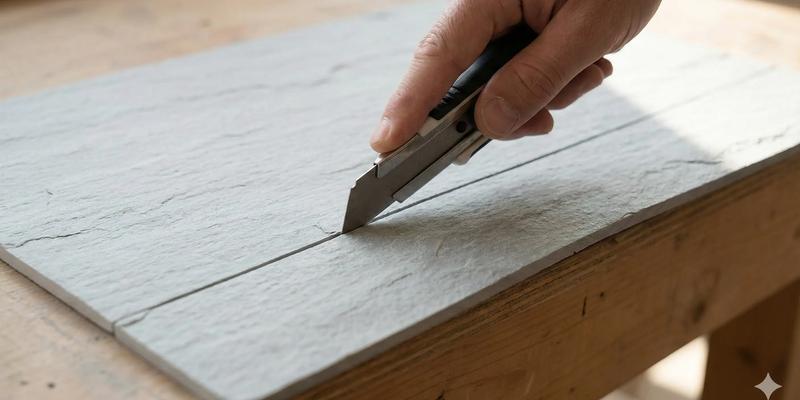
Unlike traditional stone, you don't need angle grinders or heavy cutters. You can cut Clayton® panels to any size you like with a standard utility knife — dust-free and silently.

Cutting from the back face of the panel gives you cleaner edges.
400
3

Bonding to the Surface

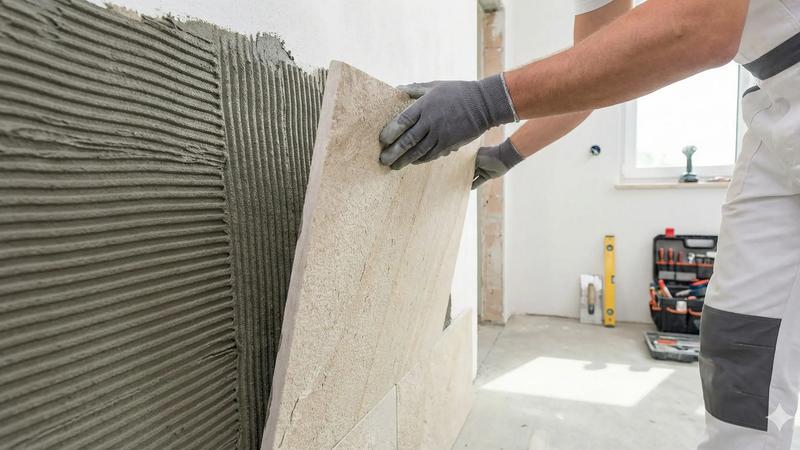
No mechanical anchoring, drilling or screwing required. Apply a suitable adhesive to the surface with a notched trowel and fix the panel by pressing lightly. With this method you can cover square meters of area per day and complete your projects quickly.

For exterior facade applications, weather-resistant adhesives should be preferred.
Joint Filling
4

Joint Filling

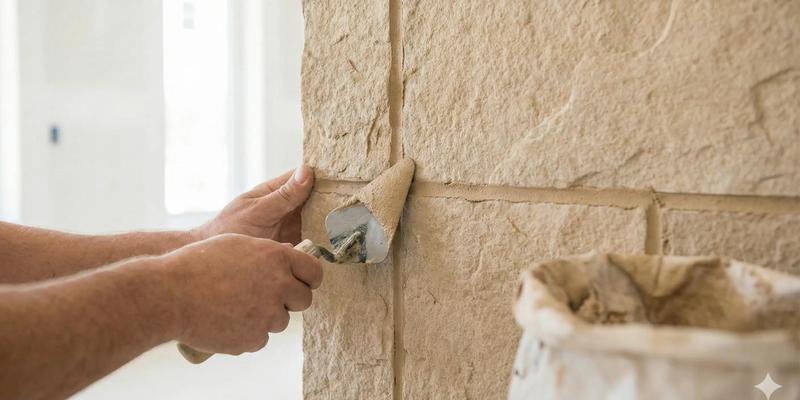
To ensure visual integrity, apply a suitable joint filler to the gaps between panels. Fillers that perfectly match the natural mineral structure reinforce the aesthetic of a real stone wall.

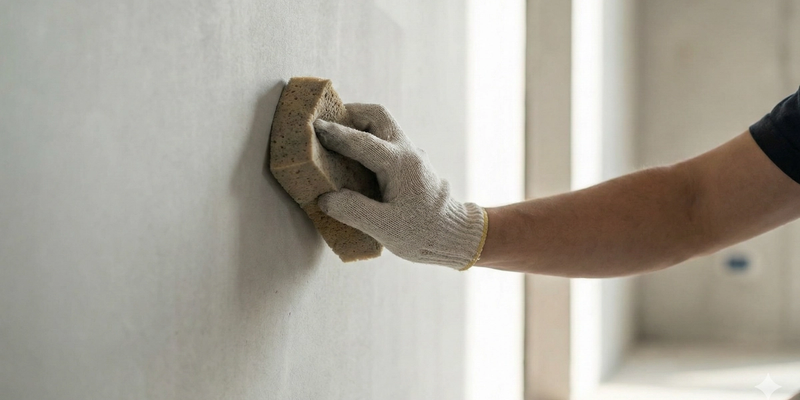
Wiping off excess material with a sponge before the joint filler dries makes the cleanup stage easier.
5

Flawless Corner Detail

Clayton® is flexible; it wraps columns and turns corners in a single piece. This feature eliminates the hassle of using corner profiles and reduces labor waste to zero.

On sharp corners, gently heating the material increases its flexibility, letting you achieve much sharper turns.

FREQUENTLY ASKED QUESTIONS ABOUT CLAYTON APPLICATION

Do I need heavy cutting machines for Clayton® application?

No. You can size the panels — developed with Japanese engineering — to any dimension you like with just a utility knife, silently, dust-free and without noise.

Do I need to do mechanical anchoring, drilling or screwing?

No. Thanks to its ultra-light structure, Clayton® adds no extra load to the building; it is applied directly to the surface using only a strong adhesive.

How is installation done on corners and curved surfaces?

Clayton® has a flexible structure. Without needing corner profiles, you can bend the material to turn columns and corners in a single piece, reducing waste to zero.

Which surfaces can the product be applied to?

It can be applied directly onto drywall, concrete, plaster, wood, metal and even existing ceramics, as long as the surface is clean and dry.

What Is the Fire Resistance of Clayton Surface Coating Material?

Clayton® has A2-class non-combustibility. Thanks to this property, it can be confidently chosen for high-rise buildings, schools, hospitals and all public spaces that require fire safety.